Singapore has said electricity prices are unlikely to rise significantly in the short term after Indonesia reduced natural gas exports to the city-state to prioritise domestic power generation.
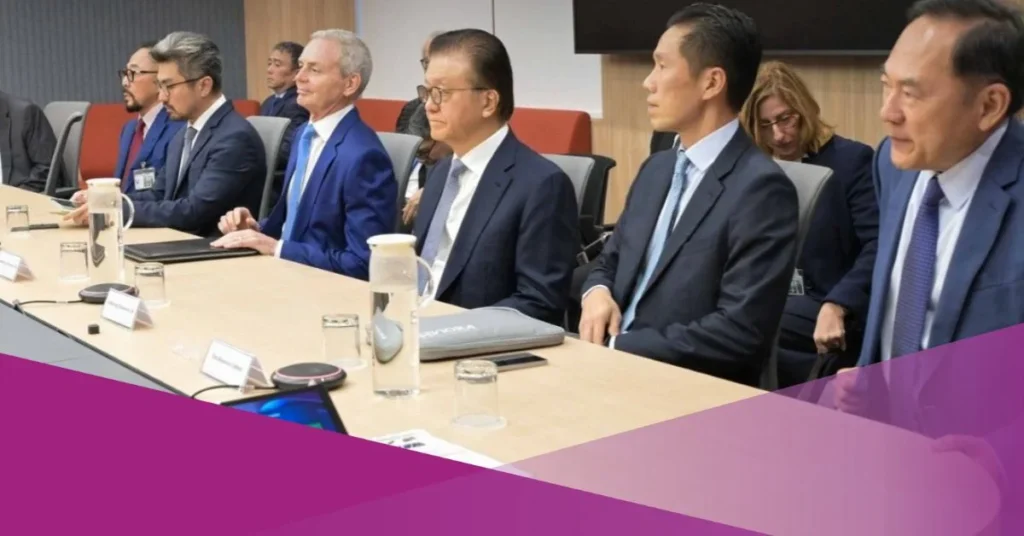
Singapore’s Minister for Energy and Industry, Tan See Leng, said on Sunday (25 October) that the reduction accounted for less than 2% of Singapore’s daily gas demand. He added that the country had sufficient supplies to meet its energy needs and that global market movements were likely to have a greater influence on electricity prices.
“In the short term, the prices would not really affect that much. In fact, if anything at all, we should be looking at the world prices because a lot of our gas, the unit price is actually pegged to the movement of some of the key global index itself,” Tan said, according to Channel NewsAsia.
Indonesia began reducing pipeline gas exports to Singapore on Saturday (24 October), redirecting supplies to meet domestic electricity demand. The country’s upstream oil and gas regulator, SKK Migas, said the move involved 31 million standard cubic feet of natural gas per day from Natuna and Sumatra.
The reduction comprises 15 million standard cubic feet per day from Natuna and 16 million from Sumatra. The diverted supplies are intended to support electricity generation in Batam, Bintan and Sumatra.
According to Singapore’s Energy Market Authority (EMA), the reduction amounts to approximately 17 billion British thermal units per day over 18 days, representing less than 2% of the country’s total daily gas demand.
Singapore Says Energy Supplies Remain Secure
Tan said Singapore had introduced contingency measures to protect its energy supply, including diversifying gas imports and maintaining access to liquefied natural gas (LNG).
“We have always looked at energy as a very critical part of our entire country’s economy, sustainability, and also our survival. Energy is existential for all of us, so we have put in place contingency measures, insurance measures, to ensure that our energy supply is diversified,” he said.
Singapore can also increase LNG imports if required. The government has instructed power generation companies to maintain sufficient diesel reserves to provide an additional safeguard against disruptions to gas supplies.
Tan urged residents to remain calm, noting that Singapore had dealt with similar supply adjustments in the past.
“I would like to urge all of our fellow Singaporeans: keep calm and carry on. We have dealt seamlessly with such reductions in the past, without any incident, and the government will continue to ensure the reliability and the resilience of Singapore’s energy supply,” he said.
Singapore generates approximately 95% of its electricity from natural gas and imports supplies through pipelines from Indonesia and Malaysia, as well as LNG shipments from international markets.
The country is also developing a second LNG terminal and exploring alternative energy sources, including biomethane, geothermal energy and nuclear power.
Singapore Calls for Gas Supply Contracts to Be Honoured
Singapore Prime Minister Lawrence Wong said the country expected parties involved in gas supply agreements to fulfil their contractual obligations following Indonesia’s decision.
“We expect all parties to honour their commitments, and Singapore’s gas importer will take the necessary steps to protect its rights and interests under these contracts,” Wong said at a People’s Action Party conference on Sunday.
Tan also said Singapore’s gas importer, Gas Supply, would review its agreements with suppliers to determine whether the reduction constituted a breach of contract and whether commercial remedies were available.
“The gas supplies are covered by commercial contracts. We expect all parties to honour their commitments,” he said, reiterating the government’s position on the importance of contractual obligations.
Indonesia has said the reduction is intended to safeguard domestic gas supplies for electricity generation. The move is consistent with the government’s policy of prioritising domestic energy requirements amid growing demand.
The development highlights the importance of energy security for both countries, as Indonesia seeks to meet domestic demand while Singapore continues to diversify its gas sources and strengthen its capacity to manage potential supply disruptions.
Wong also said Singapore was assessing nuclear power as a potential source of reliable electricity, while acknowledging concerns about safety in a densely populated country.
“Understandably, there are concerns about the safety of nuclear power in a small and densely populated country like Singapore. We take the concerns very seriously. Safety must come first,” he said.
“But we should not rule out an option simply because it is difficult or controversial. We must assess the risks and trade-offs carefully, engage Singaporeans, and eventually make the right decision to secure our energy future,” Wong added.
The government plans to begin an assessment with the International Atomic Energy Agency in 2027 to evaluate the country’s readiness to make an informed decision on nuclear power.