There are neighbourhoods in Singapore that you visit for the sights, and then there are neighbourhoods that ask you to slow down.
Katong and Joo Chiat belong firmly to the second category.
For travellers interested in quality tourism, Katong offers something beyond the usual checklist of major Singapore tourism attractions. The neighbourhood invites you to eat, wander, shop and learn at your own pace, with plenty of small discoveries along the way.
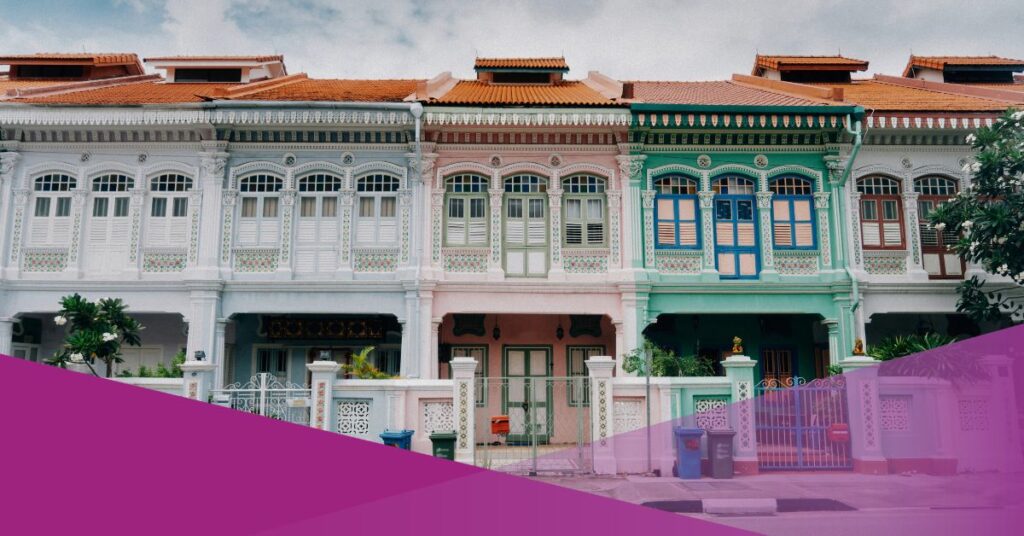
The Joo Chiat Conservation Area was gazetted in 1993 and contains two-storey shophouses and terrace houses spanning Transitional, Late and Art Deco architectural styles.
For visitors, the appeal is simple. You can spend a morning eating, an afternoon exploring heritage and an evening by the sea without feeling as though you have followed a conventional tourist itinerary.
Here is how to explore Singapore’s Joo Chiat and the wider Katong neighbourhood properly.
Singapore Tourism Starts With a Traditional Breakfast
Before you start photographing peranakan houses or disappearing into antique shops, eat.
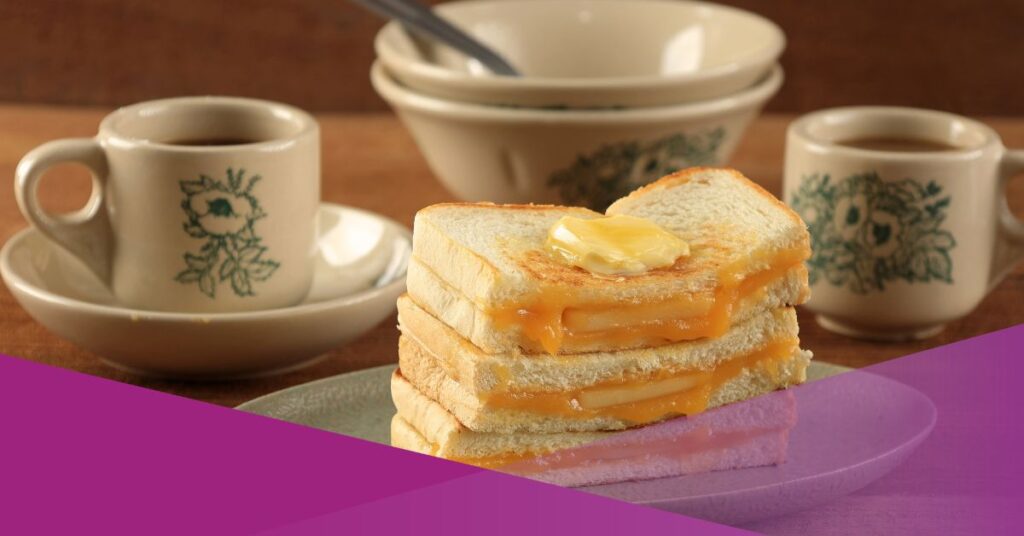
A good place to begin is Chin Mee Chin Confectionery, a Katong institution established in 1925. Its East Coast Road eatery still serves the familiar combination of kaya toast, kopi and freshly baked buns that has made it part of Singapore’s breakfast culture.
Order the kaya toast with its crisp bread, coconut jam and butter, alongside soft-boiled eggs if you want the full traditional experience. A cup of kopi, Singapore’s robust local-style coffee, completes the ritual.
The café’s menu has expanded over the years, but the old favourites remain very much at the centre of the experience.
Social Expat tip: Come early. Breakfast is best when Katong is still waking up and you have the streets of Joo Chiat largely to yourself.
Explore Katong’s Peranakan Houses and Heritage Shophouses
If Katong has a signature image, it is probably the row of colourful Peranakan shophouses along Joo Chiat and Koon Seng Road.
Their pastel façades, decorative tiles, timber shutters and elaborate plasterwork have become some of the neighbourhood’s most recognisable sights. But there is more to them than an attractive backdrop for photographs.
The buildings are part of a much larger conservation story. The streets of Joo Chiat preserve layers of Singapore’s early urban development, with conserved residential terraces and shophouses dating from the early 20th century onwards. Some individual buildings have also received recognition through the URA Architectural Heritage Awards.
Take your time along Koon Seng Road, then continue towards Joo Chiat Road and East Coast Road. Look above the shopfronts and notice the details: ornate façades, colourful tiles, curved windows and the traditional pintu pagar, the half-height doors once used to provide ventilation while retaining privacy.
This is one part of Singapore where looking up is genuinely worthwhile.
Discover Singapore Tourism Through Katong’s Murals and Street Art
Katong’s visual appeal does not stop at its architecture.
Murals and street art appear throughout the Joo Chiat neighborhood, often reflecting the area’s food, heritage and communities. Look around the intersection of Koon Seng Road and Joo Chiat Road for Peranakan-inspired artwork, then continue towards murals celebrating local food and old-school kopitiam culture.
You can turn it into a small walking route, beginning at Koon Seng Road, following Joo Chiat Road and continuing towards the Eurasian Heritage Gallery and Dunman Food Centre.
Or simply keep your eyes open.
Part of the pleasure of Joo Chiat is that you rarely need to follow a strict sightseeing plan. The next mural, cafe, boutique or beautifully restored building often appears when you are not looking for it.
Step Inside the Katong Antique House
For a closer look at Peranakan culture in Singapore, make an appointment at Katong Antique House.
This private museum occupies a heritage home filled with Peranakan antiques, furniture, photographs, porcelain and traditional clothing, including sarong kebaya and kasut manek, the intricately beaded shoes associated with Peranakan culture.
The intimate setting is part of its charm. Rather than moving through a vast institutional museum, visitors get a glimpse into a home filled with objects that tell stories about family, tradition and everyday life.
Visits are by appointment only, so this is one stop to arrange before setting out.
Address: 208 East Coast Road
Visit The Intan for a Personal Look at Peranakan Culture in Singapore
Then there is The Intan, a Peranakan home museum created by owner and curator Alvin Yapp.
The collection contains more than 5,000 Peranakan objects, ranging from tiffin carriers and embroidery to intricate beadwork. What makes the experience particularly distinctive is that Yapp himself leads the guided visits, turning the collection into a story rather than simply a display of objects.
It feels less like walking through a conventional museum and more like being invited into someone’s home, because that is essentially what you are doing.
Visits are by appointment, and the experience can include traditional refreshments. For travellers interested in understanding Peranakan culture in Singapore, rather than simply photographing it, this makes for a particularly memorable stop.
Address: 69 Joo Chiat Terrace
Discover Singapore’s Eurasian Heritage
Katong’s heritage extends well beyond Peranakan culture.
The Eurasian Heritage Gallery explores the history and traditions of one of Singapore’s smaller historic communities, whose heritage reflects a blend of Asian and European influences.
The gallery is divided into three areas exploring the origins of the Eurasian community, its experiences during the Japanese Occupation and the traditions that continue today, including food, music and language.
There is also a culinary reason to visit. Quentin’s Eurasian Restaurant sits on the ground floor, offering traditional dishes including the famously fiery Devil’s Curry and sugee cake.
It is a useful reminder that Singapore’s cultural story is considerably more layered than the skyline might suggest.
Experience One of Katong’s Signature Dishes: Katong Laksa
You cannot come to Katong and ignore laksa.
The neighbourhood is closely associated with Katong laksa, a rich, spicy noodle soup built around a coconut-based broth and strongly influenced by Peranakan cooking. The noodles are traditionally cut short, allowing the dish to be eaten with a spoon rather than chopsticks.
For visitors, 328 Katong Laksa is one of the area’s most recognisable places to try it.
But the laksa conversation is famously not that simple. The dish has a long history in the neighbourhood, and Janggut Laksa is another name frequently associated with its origins.
The sensible approach? Try more than one.
After all, Singapore is one of the few cities where debating which hawker stall serves the definitive version of a dish can become part of the experience.
Quality Tourism in Singapore: Eat Your Way Through Katong
Katong is one of Singapore’s neighbourhoods where food is as important as heritage.
Beyond laksa, there is plenty to explore:
- For kaya toast and breakfast: Chin Mee Chin Confectionery
- For Katong laksa: 328 Katong Laksa
- For Eurasian cuisine: Quentin’s Eurasian Restaurant
- For Peranakan dumplings and sweets: Kim Choo Kueh Chang
- For contemporary Peranakan flavours: Sinpopo Brand and Baba Chews
- For roti prata: Mr and Mrs Mohgan’s
- For desserts: Birds of Paradise
There is also a thriving hawker culture nearby, with family-run businesses serving everything from noodles to traditional local snacks.
Shop for Peranakan Treasures and Local Finds
Katong is also a good neighbourhood for shopping, particularly if you prefer souvenirs with a little more character than something picked up at an airport.
Rumah Bebe is a natural stop for Peranakan crafts, textiles, kebayas and traditional footwear, while independent shops around Joo Chiat offer everything from books and homeware to local design pieces.
You may also find boutiques specialising in jewellery, vintage furniture, records and other locally inspired pieces.
For vintage lovers, keep an eye out for independent record shops, retro furniture and collectibles. The neighbourhood’s retail scene changes over time, which is part of its appeal.
Come without a shopping list. You will probably leave with one anyway.
Browse Katong’s Vintage and Lifestyle Markets
If your visit happens to coincide with one of Katong’s regular lifestyle or vintage markets, make time to browse.
These markets bring together independent vendors selling vintage clothing, vinyl records, collectibles, home décor and other curious finds. They are also a chance to meet some of the people behind Singapore’s independent creative scene.
The atmosphere is quite different from the polished retail experience of Orchard Road or Marina Bay. Here, the pleasure is in rummaging through a stall and finding something you were not looking for.
For anyone searching for less conventional things to do in Singapore, this is exactly the sort of detour worth making.
Look Beyond the Famous Shophouse
The colourful shophouses may steal the photographs, but they are only one part of Katong’s architectural story.
Look out for The Red House, a former bakery whose heritage building remains an important local landmark. The Church of the Holy Family offers another layer of the area’s religious history, while the ornate Sri Senpaga Vinayagar Temple is notable for its elaborate gopuram.
Then there is Katong Shopping Centre, a very different architectural proposition. Built in the early 1970s, its distinctive form offers a glimpse into another chapter of Singapore’s development.
The neighbourhood works almost like an open-air architectural timeline. Walk far enough and the styles change.
Take a Coffee Break Like a Local
One of the pleasures of exploring Katong is that there is no shortage of places to stop when your feet need a break.
Alongside traditional kopitiams, the neighbourhood has developed a strong independent café culture, with contemporary spaces, speciality coffee roasters and small bakeries occupying conserved shophouses.
It is an easy way to experience the old and new sides of the Joo Chiat neighborhood at once. You might spend the morning looking at Peranakan architecture, then find yourself drinking a carefully brewed flat white inside a building that has been standing for decades.
That contrast is part of what makes the area interesting.
End Your Katong Day at East Coast Park
East Coast Park stretches along Singapore’s southeastern shoreline and offers a welcome change of pace from the city’s denser neighbourhoods. Walk, cycle, sit by the water or simply find somewhere to watch the evening arrive.
For dinner, stop at East Coast Lagoon Food Village, a beachfront hawker centre where you can eat local food with the sea just beyond the tables.
Try local favourites such as barbecued seafood or satay, then settle in for sunset.
It is a fitting end to a Katong day. After all the heritage, architecture and food, Singapore gives you one more reason to stay outside.
Where to Stay in Katong
If you want to stay close to the neighbourhood rather than simply visit it, Hotel Indigo Singapore Katong places you directly in the middle of the area’s Peranakan character.
The design draws heavily from local heritage, while the location puts cafés, restaurants, boutiques and conserved architecture within easy reach.
Katong is also well connected to the rest of the city, with public transport and MRT connections making it relatively straightforward to reach central Singapore. At the same time, staying here gives you a quieter base away from the busiest tourist districts.
For travellers interested in Singapore tourism beyond the usual landmarks, that balance is part of the appeal.
Is Katong Worth Visiting for Quality Tourism in Singapore?
For travellers who want to see more than Singapore’s major landmarks, Katong and Joo Chiat offer a different version of the city.
Katong’s greatest attraction is the way its different histories continue to exist side by side. Peranakan heritage, Eurasian culture, Chinese traditions, religious landmarks, hawker food and contemporary cafés all share the same streets.
Social Expat tip: Give Katong at least half a day, but ideally a full day. Start with breakfast, explore Joo Chiat and Koon Seng Road in the morning, pause for lunch, visit one of the heritage museums in the afternoon and finish with dinner or sunset at East Coast Park.
Singapore has plenty of places designed to be photographed. Katong is one of the places that asks you to look a little closer.